Introduction
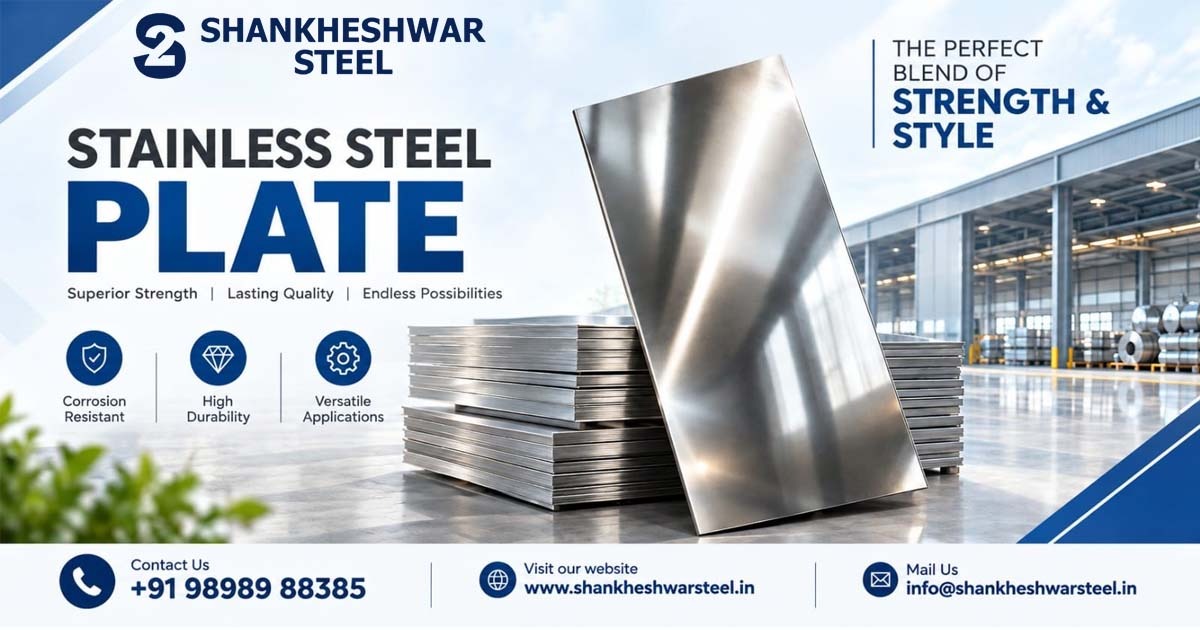
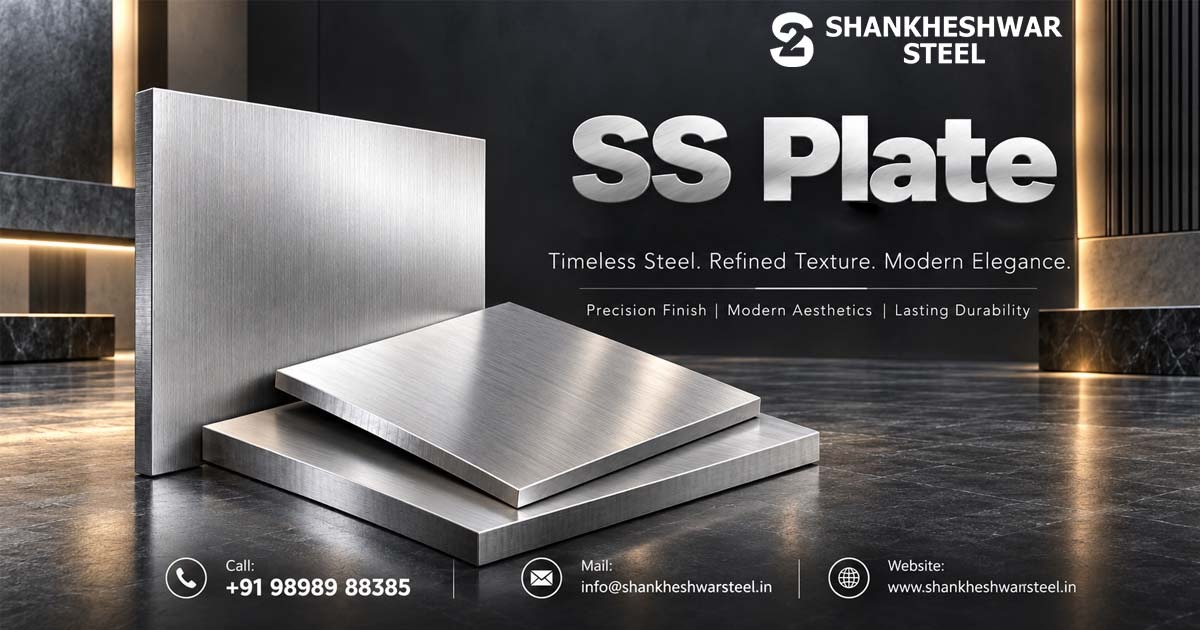
Selecting a stainless steel plate for heavy-duty fabrication requires more than checking thickness and price. Load conditions, corrosion exposure, welding requirements, and fabrication methods all influence material suitability, long-term reliability, and project cost.
1. Start With the Actual Load and Working Conditions
A stainless steel plate used for a structural frame may face different demands from one used in a chemical processing vessel, industrial platform, or heavy equipment enclosure.
Before choosing a plate, identify how the fabricated component will operate.
– Load conditions: Determine whether the component will experience static loads, impact, vibration, or repeated loading.
– Operating environment: Check exposure to moisture, chemicals, outdoor weather, or elevated temperatures.
– Fabrication method: Consider whether the plate will be cut, bent, rolled, drilled, or welded.
– Service life requirements: Assess the expected operating period and accessibility for inspection or replacement.
These details help establish the required material grade, thickness, and mechanical properties before procurement begins.
2. Why Plate Thickness Alone Is Not Enough
A thicker plate is not automatically the right choice for every heavy-duty application. Material grade, component geometry, support spacing, load distribution, and fabrication quality all influence the finished component’s performance.
For example, a plate used in a load-bearing assembly must be evaluated against the actual design loads and applicable engineering requirements. Simply increasing thickness without checking the complete design may add weight and fabrication costs without addressing the underlying problem.
Technical insight: Plate thickness and material grade perform different roles. Thickness affects section geometry and stiffness, while the grade determines properties such as strength, corrosion resistance, and formability. Both must be assessed together.
3. Which Stainless Steel Grade Fits the Fabrication Environment?
The correct grade depends on the combination of corrosion exposure, mechanical requirements, temperature, and fabrication method. Stainless steel grades are not interchangeable simply because they have a similar appearance.
| Grade | Selection consideration |
| 304 / 304L | General-purpose fabrication where suitable corrosion resistance and weldability are required. |
| 316 / 316L | Consider for environments where improved resistance to chloride-related corrosion is needed. |
| 310S | Consider for suitable high-temperature applications, subject to operating conditions. |
| Duplex 2205 | Consider where higher mechanical strength and resistance to certain forms of corrosion are required. |
These are preliminary selection guidelines, not automatic recommendations. The exact chemical environment, design temperature, loading, and applicable standards must be reviewed before finalizing a grade.
4. How Welding and Cutting Affect Plate Selection
Heavy-duty fabrication often involves plasma cutting, laser cutting, machining, bending, or welding. The chosen plate must suit both the finished component and the manufacturing process.
Before ordering, discuss these points with the fabrication team:
– Weldability: Confirm suitable welding procedures and consumables for the selected grade and thickness.
– Bending requirements: Check the required bend radius, forming limits, and allowance for springback.
– Cutting quality: Consider edge finish, dimensional tolerances, and the amount of secondary machining required.
– Surface restoration: Determine whether cleaning, pickling, or other post-weld treatment is necessary for the application.
Stainless steel can lose corrosion performance locally if welding defects, surface contamination, or unsuitable post-weld treatment are overlooked. Fabrication planning should therefore be part of material selection, rather than a decision made after the plate arrives.
5. What Should Buyers Verify in the Material Documents?
For critical fabrication work, a product description alone may not provide enough information to confirm material suitability.
Request documentation that can be matched to the purchase order and delivered material.
– Grade and standard: Confirm the specified grade, product standard, and applicable edition.
– Material test certificate: Request the relevant mill or material test certificate, where required, and verify its traceability to the supplied batch.
– Dimensions and tolerances: Check thickness, width, length, flatness, and any project-specific dimensional requirements.
– Surface condition: Confirm the specified finish and inspect for unacceptable damage, pitting, or contamination.
– Inspection requirements: Establish whether chemical analysis, mechanical testing, or additional inspection is required by the purchase specification.
For projects in India, confirm the applicable BIS requirements and any project-specific statutory or contractual obligations. Do not assume that every stainless steel plate follows the same certification requirements.
6. A Practical Example: Avoiding a Grade Mismatch
Consider a hypothetical equipment fabricator sourcing stainless steel plates for a welded assembly used in a damp industrial area with occasional chemical cleaning.
The buyer initially requests a plate based only on thickness and price. During technical review, the team identifies the cleaning chemicals, operating temperature, weld locations, and expected mechanical loads.
The team can then assess whether the proposed grade and thickness meet the design and corrosion requirements before issuing the purchase order.
The lesson: A plate that fits the drawing may still be unsuitable for its operating environment. Material selection should connect the drawing, actual service conditions, and procurement documents.
7. Buyer Checklist Before Placing the Order
Use these checks when preparing a stainless steel plate enquiry.
- Specify the required grade, applicable standard, and thickness.
- Share the component drawing, dimensions, and loading conditions where relevant.
- Describe chemical exposure, moisture, operating temperature, and cleaning methods.
- Confirm welding, cutting, bending, and surface-finish requirements.
- Request applicable test certificates and material traceability documents.
- Compare quotations for equivalent grades, dimensions, documentation, and delivery terms.
8. Four Product-Related Support Points
When discussing a stainless steel plate requirement with a supplier, clarify which of the following are available for your order.
– Grade and size coordination: Confirm the required material grade and plate dimensions.
– Product documentation: Discuss applicable material certificates and traceability requirements.
– Fabrication requirement review: Share drawings and processing details to help clarify the material specification.
– Order and delivery coordination: Confirm quantities, cutting requirements where offered, packing, and delivery arrangements.
Availability of specific services should be confirmed with the supplier before placing an order.
9. Industrial Sourcing Considerations in Ahmedabad and Gujarat
Ahmedabad is a useful sourcing point for industrial buyers comparing stainless steel materials for fabrication, machinery, process equipment, and infrastructure projects. Buyers should evaluate material availability, documentation, transport arrangements, and coordination between the supplier and fabrication facility.
Relevant industrial and business locations include Ahmedabad, Rakhial, Vatva, Odhav, Naroda, Changodar, Sanand, Bavla, Dholka, Gandhinagar, Kalol, Mehsana, Kadi, Vadodara, Halol, Bharuch, Ankleshwar, Surat, Vapi, Rajkot, Morbi, Jamnagar, Bhavnagar, Mumbai, and Pune.
Shankheshwar Steel’s supplied manufacturing support location is Ahmedabad, Gujarat, India. Buyers should confirm delivery availability and commercial terms for their specific destination rather than assuming service coverage across every location.
10. About Shankheshwar Steel
Shankheshwar Steel supplies stainless steel products, including plates, sheets, coils, pipes, tubes, wires, and rods. Its website also describes a range of industrial fittings and related steel products.
For heavy-duty fabrication projects, buyers can visit Shankheshwar Steel to explore product information and discuss their material requirements.
When making an enquiry, share the required grade, plate dimensions, application, and documentation requirements to help establish whether the available material matches your specification.
11. Frequently Asked Questions
1. How do I choose between SS 304 and SS 316 plates?
Compare the actual corrosion environment, especially exposure to chlorides and cleaning chemicals, alongside mechanical and fabrication requirements. SS 316 generally offers improved resistance to many chloride-related corrosion conditions, but suitability depends on the specific environment.
2. Can a stainless steel plate be welded to carbon steel?
Yes, suitable dissimilar-metal welding procedures may be used, but the joint design, filler metal, service conditions, and corrosion requirements must be assessed by a qualified welding professional.
3. What affects the price of a heavy-duty stainless steel plate?
Price depends on factors such as grade, thickness, dimensions, finish, order quantity, applicable standards, documentation, and market conditions. Compare quotations against the same material specification.
4. Why should material certificates be checked before fabrication?
Certificates help verify reported material chemistry and mechanical properties against the specified requirements. Buyers should also confirm that the documentation is traceable to the supplied material and meets the project’s inspection requirements.
12. Conclusion
Successful stainless steel plate selection depends on matching material properties to real operating conditions, not simply choosing a thicker plate or the lowest quotation. Grade, load requirements, corrosion exposure, welding methods, and traceable documentation should be reviewed together. This approach helps fabrication teams make informed purchasing decisions and reduce avoidable material mismatches.
Planning a heavy-duty fabrication project? Contact Shankheshwar Steel through shankheshwarsteel.in to discuss your stainless steel plate requirements, material grade, dimensions, and applicable documentation.
Website: shankheshwarsteel.in
Call Us: +91 98989 88385
Email Us: info@shankheshwarsteel.in
For more information, please feel free to contact us.